What does it take to translate the National Career Clusters® Framework into a system that reflects a state’s learners, communities, and workforce needs? For Montana, it has meant centering alignment—starting with their data, strengthening connections between secondary and postsecondary Career Technical Education (CTE), and creating opportunities for local leaders to understand and shape the transition.
Along the way, Montana has connected Framework implementation and systems alignment with broader conversations about program quality, educator capacity, and sustainable pathway development.
Through participation in Advance CTE’s Modernized Career Clusters Framework Early Adopters Cohort alongside Iowa, New Mexico, Nebraska, and Tennessee, Montana has taken a deliberate approach to implementing the modernized Framework that was released in 2024. The state’s work has focused on aligning programs and reporting structures, adapting the Framework to Montana’s context, and preparing local CTE leaders to make informed decisions about pathways before future grant cycles.
Montana’s progress demonstrates the power of the Career Clusters Framework as a systems connector and organizing structure for how states, industry, and workforce partners align around career readiness and talent development.
Building the Foundation Through Data Alignment
Montana began its Framework implementation work with an ambitious goal: complete a data analysis and alignment process to prepare changes to CTE pathways and reporting, followed by technical assistance to support implementation ahead of the 2026-27 grant cycle. This data analysis involved two key steps: course coding review and updates, and secondary-postsecondary collaboration to build capacity and align code use.
A significant part of that work has involved reviewing and crosswalking the codes and structures that underpin Montana’s CTE system. At the secondary level, the state examined existing programs of study and worked to align Classification of Instructional Programs (CIP), Standard Occupational Classification (SOC), and School Courses for the Exchange of Data (SCED) codes with the modernized Framework. The team also analyzed course codes that were no longer being used and identified areas where new courses or pathways might be needed.
Because Montana’s secondary CTE team did not have a dedicated data staff member for this work, collaboration with postsecondary partners became particularly important. Secondary and postsecondary leaders worked in parallel to conduct crosswalks and align their approaches for course identification and coding, creating an opportunity to make the transition more coherent across the learner journey.
The work goes beyond simply assigning programs to new Clusters. Montana has also explored questions about the state definition of CTE concentrators, data collection and reporting practices, and the potential value of developing an SCED-to-CIP crosswalk as a resource for the field.
This focus demonstrates the importance of establishing common data definitions and strengthening cross-agency alignment by incorporating partner input into the review of key elements such as concentrator definitions, CIP codes, credential attainment, and reporting requirements. This coordinated approach creates a stronger, more consistent foundation for CTE data collection, reporting, analysis, and decisionmaking across the state.
Making the Framework Montana’s Own
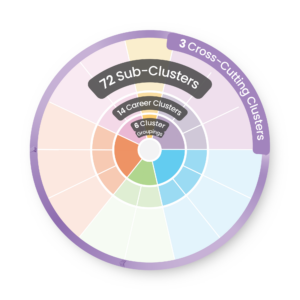 Advance CTE designed the modernized Framework to be flexible to fit the education and workforce needs of each state. Montana has approached adoption of the modernized Framework as an opportunity not only to reorganize and align existing pathways, but also to ensure that the resulting structure reflects the state’s unique economic, geographic, and cultural context.
After reviewing existing pathways, the state made targeted adjustments to terminology to make Cluster and pathway names more recognizable to Montana educators and communities. For example, the team considered language around skilled trades and heavy construction that would better resonate with local stakeholders and increase buy-in.
Montana has also explored the possibility of developing a state-specific pathway or Subcluster focused on Tribal Government & Leadership. This consideration reflects an effort to ensure that modernization creates room for pathways important to Montana communities rather than simply replicating a national structure.
At the postsecondary level, the state has simultaneously continued work around tribal data agreements and planning for implementation. That work is occurring alongside efforts to strengthen connections between secondary and postsecondary education, including opportunities for 11th- and 12th-grade learners to access community and tribal college coursework.
Taken together, these efforts demonstrate how states can use the modernized Framework as a foundation while retaining the flexibility necessary to respond to state and local priorities.
Engaging Local Leaders Early and Often
Montana recognized that successful implementation would depend on more than completing a crosswalk. Local CTE leaders needed opportunities to understand what was changing, consider how those changes would affect existing programs and provide input before new structures became embedded in state processes. Therefore, the state created intentional, ongoing engagement opportunities to build buy-in, receive feedback, and ultimately align those directly involved in Framework use.
The state met with schools to solicit feedback and began planning regional meetings to discuss the modernized Clusters and provide professional development. Secondary and postsecondary leaders coordinated around a joint regional “road show” designed to socialize the changes while supporting other state priorities, including the Comprehensive Local Needs Assessment (CLNA).
Rather than creating a separate, intensive feedback process, Montana built engagement into existing opportunities and touch points. The state introduced the Clusters during CLNA training in September 2025, and used regional meetings both to gather feedback and help local leaders understand the transition.
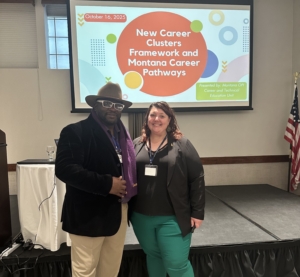
The work culminated in another important opportunity for engagement when Montana unveiled the new Clusters and state crosswalks at its fall conference, with Advance CTE opening the conversation by providing context about the national modernization process.
This approach helped shift implementation from something happening at the state level to a conversation involving the practitioners who will ultimately put the Framework into practice.
Connecting Modernization to Program Quality
Montana’s implementation strategy has also opened broader conversations about what is necessary for high-quality CTE pathways to grow and evolve.
As the state reviewed its courses and pathways, leaders began examining teacher credentialing requirements and considering where adjustments might be needed. This included exploring whether endorsement or credentialing approaches could reduce unnecessary dual-certification requirements and whether existing certifications could be expanded to support instruction across additional Career Clusters.
These questions are particularly relevant in areas experiencing teacher shortages and in emerging or reorganized pathways where existing certification structures may not neatly align with program needs.
The state has also considered how future technical assistance can help local leaders evaluate their existing pathways, determine whether new pathways are needed, and design programs that can be approved through future grant cycles.
Moving From Alignment to Implementation
With the foundational crosswalking, engagement, and data work completed, Montana’s focus is shifting toward helping the field put the modernized Framework into practice.
The state has continued cleaning up course codes and refining crosswalks while preparing technical assistance around the implications of the new Clusters and pathways. Regional engagement, professional development, and CLNA activities provide multiple opportunities to reinforce the changes rather than relying on a single implementation event.
The timing is intentional. By socializing the Framework before aligning future CLNA and grant processes, Montana is giving local leaders time to understand the new structure, evaluate their current programs, and prepare for future decisions.
That sequencing—analyze, align, engage, and then implement—is a central lesson from Montana’s Early Adopters experience and a cycle that can last well beyond their cohort work.
Montana’s participation offers an example of how states can approach the modernized Career Clusters Framework not simply as a new way to categorize programs, but as an opportunity to examine the systems, policies, and partnerships that help learners move through high-quality CTE pathways and into continued education and careers.
Learn more about how to begin and sustain the multi-year process of evaluating current Framework structures, identifying areas for innovation and improvement, and accessing resources for implementing key changes across policy and practice for CTE systems and workforce development by visiting the Career Clusters Implementation Support webpage.